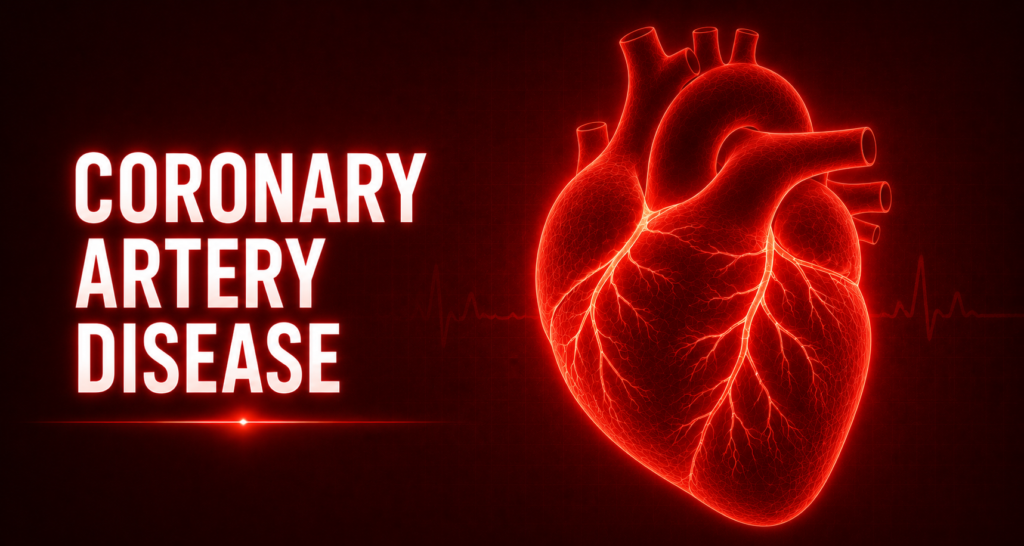
Coronary Artery Disease

Coronary Artery Disease (CAD) occurs when the arteries that supply blood to the heart become narrowed or blocked due to the buildup of fatty deposits (plaque). This reduces blood flow to the heart muscle and can increase the risk of chest pain, heart attacks, and heart failure.

CAD is one of the most common heart diseases worldwide, but early diagnosis and treatment can significantly improve outcomes.

Common Symptoms of Coronary Artery Disease

Symptoms may develop gradually or appear suddenly.

• Chest pain, pressure, or discomfort (angina)
• Shortness of breath, especially during physical activity
• Fatigue or reduced exercise tolerance
• Pain that may spread to the arm, shoulder, neck, jaw, or back
• Dizziness or sweating during exertion

Some individuals may have no symptoms until a heart attack occurs, making regular health check-ups important.

Treatment of Coronary Artery Disease

Treatment aims to improve blood flow to the heart and reduce the risk of complications.

• Medications may be prescribed to control blood pressure, cholesterol, and prevent blood clots
• Lifestyle changes play a crucial role in disease management
• In some cases, angioplasty with stent placement may be required to open blocked arteries
• Severe blockages may require coronary artery bypass surgery (CABG)

Early treatment can help prevent heart attacks and improve quality of life.

Can Coronary Artery Disease Be Prevented?

Many risk factors for CAD can be controlled through healthy lifestyle choices.

• Maintain healthy blood pressure, cholesterol, and blood sugar levels
• Avoid smoking and tobacco use
• Exercise regularly
• Eat a heart-healthy diet rich in fruits, vegetables, and whole grains
• Maintain a healthy weight
• Attend regular cardiac check-ups

Key Message

Coronary Artery Disease is a serious but often preventable condition. Recognizing symptoms early, managing risk factors, and seeking timely treatment can help protect your heart and reduce the risk of heart attack.

Scroll to Top