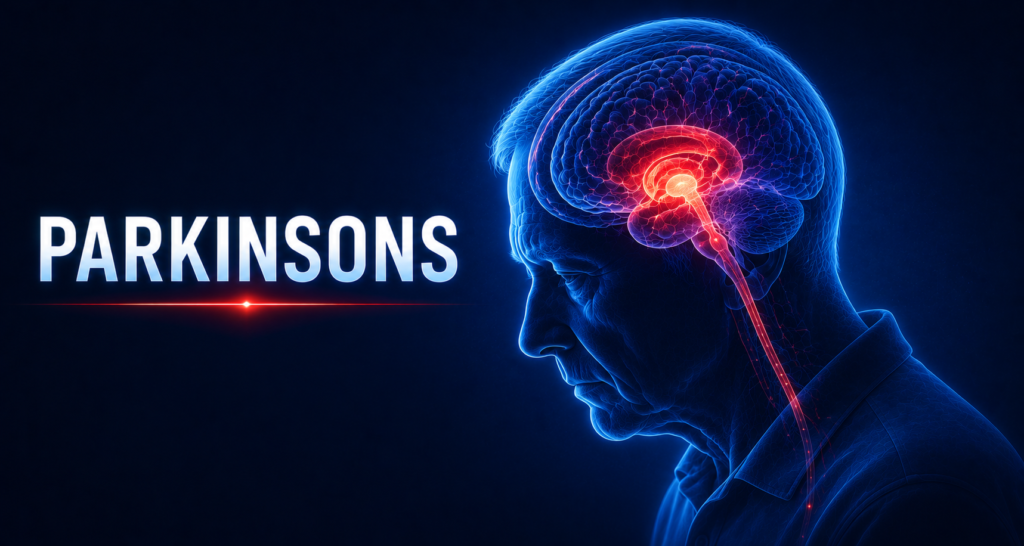
Parkinson's Disease

Parkinson’s disease is a progressive neurological disorder that affects movement. It occurs when certain nerve cells in the brain gradually stop producing enough dopamine, a chemical that helps control smooth and coordinated movements.

Although Parkinson’s disease is more common in older adults, it can affect people at younger ages as well. Symptoms usually develop gradually and worsen over time.

Common Symptoms of Parkinson’s Disease

Symptoms can vary from person to person, but common signs include:

• Tremors or shaking, often beginning in one hand
• Slowness of movement (bradykinesia)
• Muscle stiffness or rigidity
• Difficulty with balance and coordination
• Changes in walking pattern, such as shuffling steps
• Soft speech, reduced facial expressions, or smaller handwriting

Some individuals may also experience non-motor symptoms such as sleep disturbances, mood changes, constipation, and memory difficulties.

Treatment of Parkinson’s Disease

While there is currently no cure, treatment can help manage symptoms and improve quality of life.

• Medications can help increase or replace dopamine in the brain
• Physical therapy can improve mobility, balance, and flexibility
• Speech and occupational therapy may help with communication and daily activities
• In selected patients, advanced treatments such as Deep Brain Stimulation (DBS) may be considered

Early and ongoing treatment can help individuals remain active and independent for longer.

Can Parkinson’s Disease Be Managed Successfully?

Although Parkinson’s disease is a lifelong condition, many people continue to lead fulfilling lives with proper care.

• Take medications as prescribed
• Stay physically active with regular exercise
• Maintain a healthy and balanced diet
• Prioritize good sleep and stress management
• Attend regular neurological follow-ups

Key Message

Parkinson’s disease is a manageable neurological condition. Early diagnosis, appropriate treatment, and an active lifestyle can help control symptoms and improve overall quality of life.

Scroll to Top