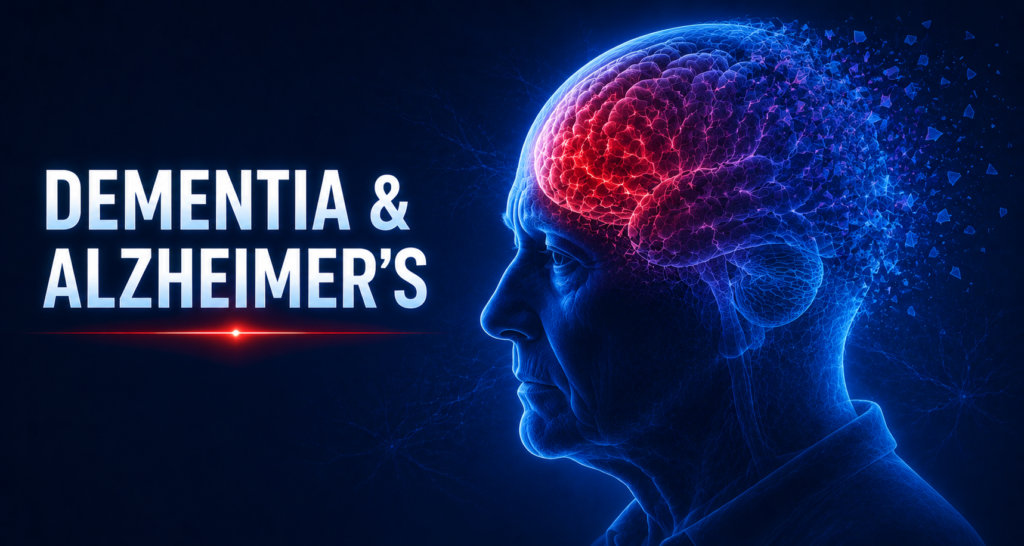
Dementia & Alzheimer’s

Dementia is a general term used to describe a decline in memory, thinking, and daily functioning that interferes with everyday life. Alzheimer’s disease is the most common cause of dementia. These conditions primarily affect older adults and gradually impact memory, reasoning, communication, and independence.

While some forgetfulness can occur with normal aging, dementia involves a progressive decline that goes beyond typical age-related memory changes.

Common Symptoms of Dementia & Alzheimer’s

Symptoms usually develop gradually and worsen over time. Common signs include:

• Memory loss that affects daily activities
• Difficulty finding words or following conversations
• Confusion about time, place, or familiar people
• Difficulty performing routine tasks
• Poor judgment and decision-making
• Changes in mood, personality, or behavior

Early recognition is important, as symptoms can sometimes be mistaken for normal aging.

Treatment of Dementia & Alzheimer’s

Although there is currently no cure for most forms of dementia, treatment can help manage symptoms and improve quality of life.

• Medications may help support memory and cognitive function in some patients
• Cognitive stimulation and mental activities can help maintain brain function
• Physical activity and social engagement are encouraged
• Supportive care and caregiver education play a vital role in management

Early diagnosis allows patients and families to plan for the future and access appropriate support.

Can Dementia Be Prevented?

While not all cases can be prevented, certain healthy habits may help reduce the risk:

• Control blood pressure, diabetes, and cholesterol
• Stay physically active
• Engage in regular mental and social activities
• Eat a healthy, balanced diet
• Avoid smoking and excessive alcohol consumption
• Maintain good sleep habits

Key Message

Dementia and Alzheimer’s disease are more than just memory problems. Early diagnosis, appropriate care, and a supportive environment can help individuals maintain their independence and quality of life for as long as possible.

Scroll to Top